Table Of Content
It is an integral part of the product development process, as it can help identify and correct problems early on before they become costly. Generally speaking, you may only need designers and product managers at this stage as the final design review from engineering could be done remotely by sending a link to the designs for review. When preparing your final design remember to set yourself up for success by properly preparing your designs for handoff to your developers. As mentioned earlier, a formal design review should include cross-functional team members that are not intimately involved in the design.
What will you pay for pretty laptops?
A technical design review may occur at some point during the development lifecycle. This type of design review will not require reviewers from non-technical business units. Only designers and other technical resources should attend this meeting, since the discussion will focus on technical details. Design reviews are evaluations that provide feedback, identify potential issues, and work to improve the overall design. A good design review process can help a business improve its product and avoid disaster. But before adopting a new tool, it’s valuable to start by looking at how and why design reviews currently happen in your organization.
What Questions Should Be Asked During a Design Review?
This helps you get various perspectives on your design and makes the final product as unique, natural, and intuitive as possible. It should be said that a single person can play multiple roles during a design review when you’re short on attendees, but separating them out will help a design review run smoother and more effectively. A design review should include an evaluation of the design’s functionality, aesthetics, feasibility, adherence to requirements, and considerations for usability, manufacturability, and safety. It is vital to have a diverse group of people involved in the design review, as this will help to ensure that all aspects of the design are considered.
on-1 meeting templates
Most formalised systems engineering processes recognise that the cost of correcting a fault increases as it progresses through the development process. Additional effort spent in the early stages of development to discover and correct errors is therefore likely to be worthwhile. A technical review will usually involve a specific set of design team members and subject matter experts. This is where the review participants take deeper dives into technical content, maximizing the collective expertise of those involved in design and development efforts. Technical reviews can be formal or informal, and tend to produce actions at the individual task level.
Board meeting templates
Now I know this may come as a surprise to most of us, but the majority of meetings are basically worthless. They could have just as well been an email and saved everyone invited precious time to be doing something more productive. Design reviews are one of those special exceptions that is actually worth pulling a bunch of high paid engineers into a room together. Yet for many of us who are engineers, we still live and die by our paper engineering notebook.

Our design reviews typically run an hour and cover several topics in that timeframe. Some topics require more conversation than others depending on the phase of design for a given topic. It’s up to the design review facilitator to keep the conversation moving and decide when to table conversations for another time. Despite this, some may still struggle with adapting to a new way of thinking when considering how digital products operate or how audiences achieve intended outcomes when interacting with digital products. This is where the element of empathy becomes an integral part of evolving change.
What should be included in a design review?
These reviews will assess the design's alignment with objectives, budgets, and timelines. They may also consider whether the design fits the market or is technically feasible. Stakeholders can influence the design to help align it with the larger company vision. While both the design review and design critique can provide valuable feedback within the design process, the two have distinct differences. Design reviews can happen in almost any industry, from construction to software development. They ensure that the design aligns with the project goals and objectives and evaluate its quality, functionality, and adherence to the requirements.
Let’s try something different. Enter the “Feedback Workshop”.
The project’s designer, developer (at least one per platform), and software tester get together and pull the latest build to compare it against the design documented in Figma. If you’re encountering challenges while conducting design reviews I encourage you to try this approach. If you do try it or have questions or comments please contact me on Linkedin. Our projects typically run in 2 week development cycles and we have three design reviews each sprint. Each design review allows for progressive elaboration and demonstration on a designer’s work, with the specifics of the conversation depending on how may reviews a designer has been working on a problem.
Seattle eyes temporarily exempting some center city developments from design review - Puget Sound Business Journal - The Business Journals
Seattle eyes temporarily exempting some center city developments from design review - Puget Sound Business Journal.
Posted: Mon, 22 Apr 2024 05:20:00 GMT [source]
However, this person shouldn’t become a focal point or interfere with the natural flow of the discussion. Next, everyone should discuss critical elements of the design and demonstrate any product models. You should also describe relevant testing processes and propose solutions to mitigate risk. Everyone present should have the opportunity to offer potential solutions to any concerns or unresolved issues. Before you dive into the bulk of your meeting, you should remind your attendees why you’re holding this review session.
The Sexiest Electric Aircraft Around Turns Bland as It Clears Design Review - autoevolution
The Sexiest Electric Aircraft Around Turns Bland as It Clears Design Review.
Posted: Fri, 26 Apr 2024 12:06:19 GMT [source]
If you’re a product designer with at least 2 years under your belt, I’m sure you’ve witnessed these challenges first hand. This experience had a lasting impact on my understanding of how to conduct a successful review. It is a time to come with your redlines, questions, concerns, and comments.
A successful design review plays a crucial role in ensuring the quality and effectiveness of a design. Following these five tips, you can conduct a productive design review that fosters collaboration, identifies potential issues, and leads to valuable improvements. A design review evaluates a design to ensure that it meets the requirements and is feasible to implement.
That is part of the reason why this approach is commonly used not only with fully remote teams but also with hybrid ones. Let participants come and self-report in the moment how they felt about the exercise by writing feedback under each face. Use it to create a safe space for communication and improve future workshops. If this is your first time using this process with your team consider conducting a quick retro on the workshop.
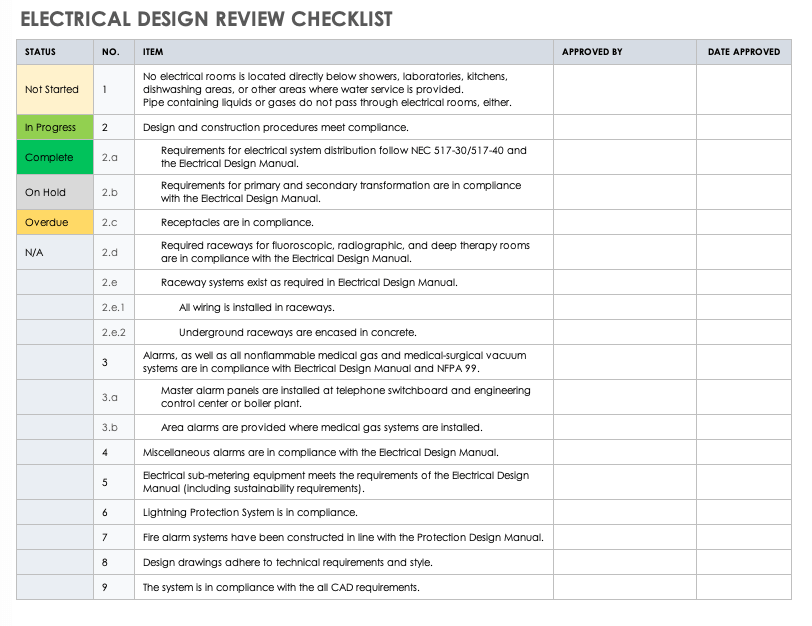
Any issues or concerns identified during the review should be addressed before the project proceeds to the next stage. Asking questions during a design review is critical to producing a high-quality final design. The questions below are useful across industries and stages of the development lifecycle. The design review plan or checklist you use (critical design, non-technical, engineering design, etc.) depends on the stage and type of product. Use a template for the plan to ensure you and your team have visibility into all the deliverables. Product design reviews will occur several times throughout the product’s development lifecycle, from concept through completion, scheduled, and any other ad hoc meetings.
The more you practice asking the right questions, the easier it will be to get your team focused on what really matters—building a product that brilliantly meets your users’ needs. Host digital feedback meetings on FigJam’s design critique template to collaborate more efficiently than ever before. Easy-to-use tools allow you to focus on the designs you’re developing and the input you’re gathering, while integrated widgets like Lil’ Chat and Excalidraw Pad make for easy communication and creativity. With design implementation reviews, there is no “one size fits all” solution.




No comments:
Post a Comment